
Latest News
Sustainability and the Made-to-Measure Model
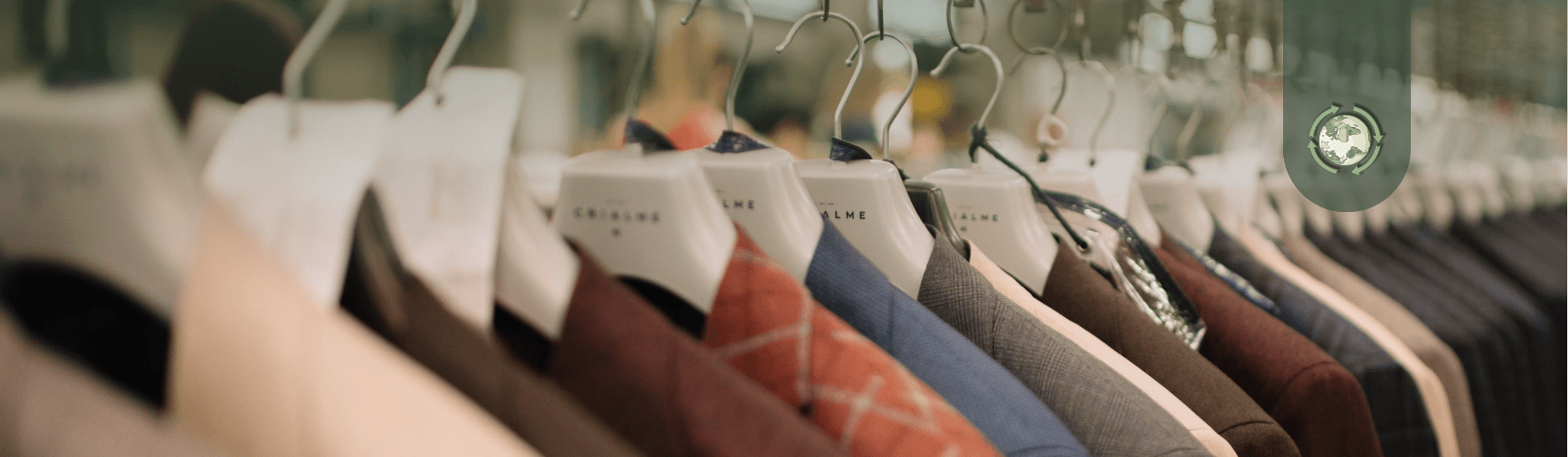
The fashion industry is undergoing a period of profound soul-searching. Given the global environmental impact of mass production, the demand for viable, eco-friendly alternatives has never been more pressing. This is where the "Sustainability vs. Made-to-Measure" conversation gains momentum, as they serve as complementary pillars of a single solution.
Read more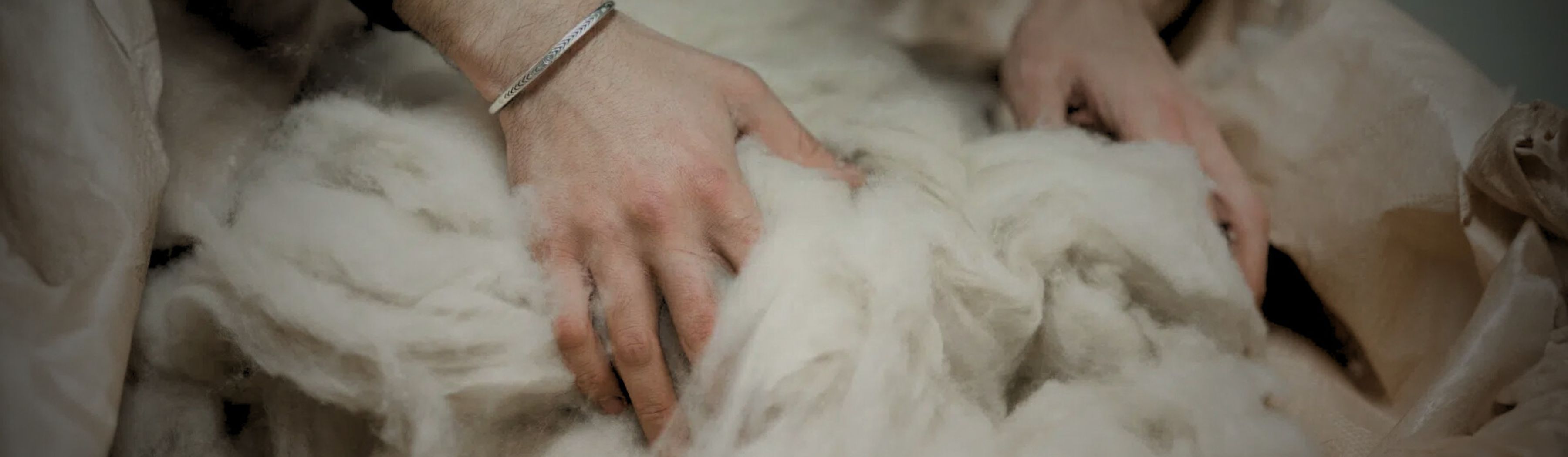
Why Choose Fabrics 100% Wool?
Natural fibers, such as wool, continue to play an essential role in premium fashion thanks to their performance, comfort, and durability. When used in their pure form, they offer clear advantages over synthetic blends, for both brands and end consumers, contributing to more sustainable, high-quality production. Natural and renewable: Wool is a fully natural fiber that regenerates through fleece growth. It is also biodegradable at the end of its lifecycle and, under proper conditions, does not release microplastics. For this reason, it stands out as a responsible and sustainable choice for contemporary fashion. Thermal regulation: Wool naturally adapts to body temperature, providing insulation in cold environments while remaining breathable in milder climates. This makes it ideal for year-round use. Moisture management: Wool fibers can absorb moisture vapor internally without feeling damp to the touch. This contributes to greater comfort and reduces the sticky sensation often associated with synthetic fabrics. Durability and shape retention: Thanks to its natural elasticity, wool easily recovers its shape. Garments maintain their structure, drape, and appearance over time, ensuring longevity and quality. Odor resistance and hygiene: Wool limits bacterial growth and retains fewer odors, reducing the need for frequent washing and extending the lifespan of garments. Unlike materials such as polyester or acrylic, wool is breathable, thermoregulating, and biodegradable. Synthetic fibers tend to trap heat and moisture, can accumulate odors, and may release microplastics. Wool, on the other hand, allows the skin to breathe, manages moisture naturally, and offers a superior level of comfort. From a product perspective, 100% wool garments retain their shape better, age more gracefully, and convey a higher perceived value. Our expertise lies in transforming these raw materials into high-quality garments through precise cutting, specialized tailoring, and refined finishing. Each piece is developed with a focus on: Material integrity Precision in cutting and construction Everyday comfort Long-term durability The result is a collection of wool garments designed to last, combining premium fabrics with a demanding and sophisticated production process.
Read more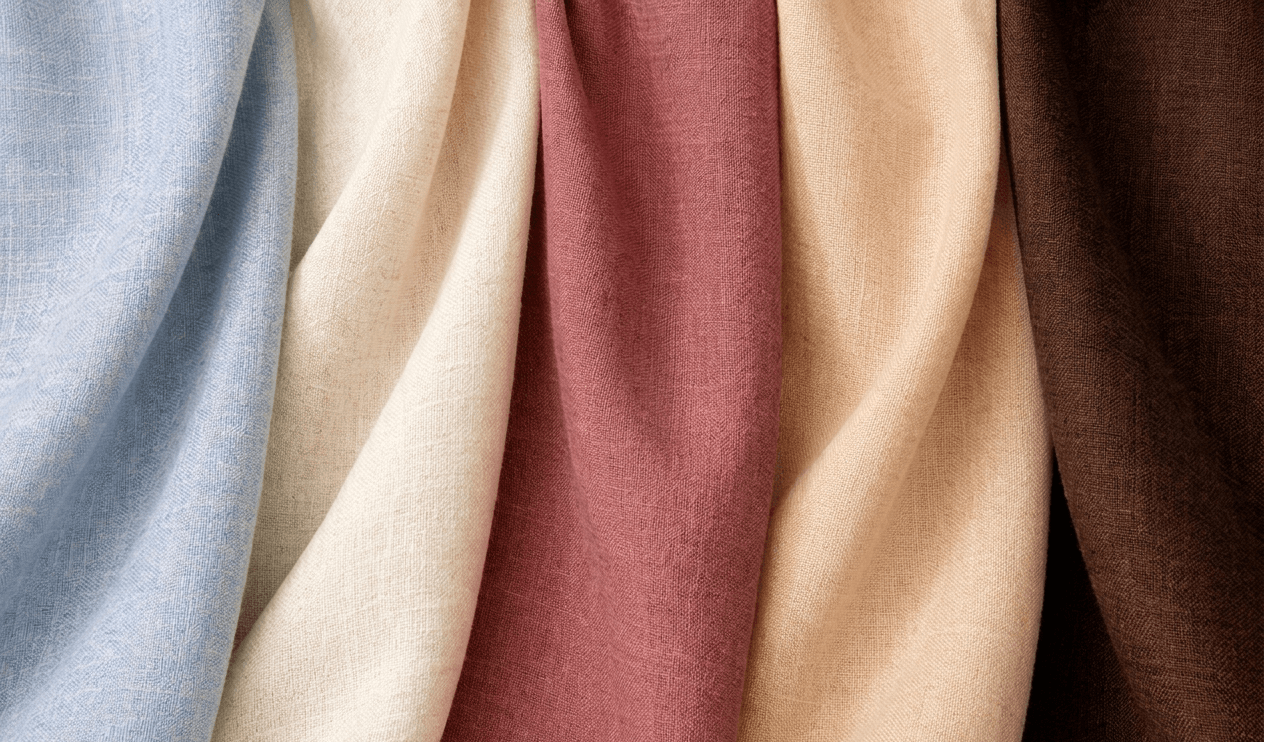
Spring/Summer 2026 Trends: Key Colors and Fabrics
Several shades have stood out in the Spring/Summer 2026 collections, but it was the softer tones that inspired us the most, as they reflect the elegance of a more colorful wardrobe. White, blue, and pink stand out for their lightness, while beige and brown add depth and balance, creating an aesthetic that is both relaxed and sophisticated. Captions Fabric 1 – 100% LI – Blue Fabric 2 – 100% LI – White Fabric 3 – 100% LI – Beige Fabric 4 – 100% CO – White Fabric 5 – 100% WV (Taffeta) – Dusty Pink Fabric 6 – 100% WV (Nat. Stretch) – Beige Fabric 7 – 100% WV – Brown Fabric 8 – 65% PL + 35% CO (Gabardine) – Beige We remind you that these are only suggestions of materials in stock from brands such as Vitale Barberis Canonico, Fratelli Tallia di Delfino, Holland & Sherry, Cerruti, Dormeuil, Ermenegildo Zegna, Loro Piana. However, fabric selection is not only about aesthetics. Factors such as temperature, humidity, and sun exposure must be considered when choosing fabric compositions to ensure airflow and thermal regulation. For the Spring/Summer season, natural, breathable, and lightweight fibers take center stage. Linen Linen stands out beyond its light and organic aesthetic. It is nature’s answer to hot days. Its irregular texture and rustic feel give it a relaxed yet sophisticated look, intrinsic to the season. More than just style, its natural properties reflect heat and ensure unmatched breathability, making it the preferred choice for those seeking comfort and elegance. Cotton The best cottons for this season are generally those with longer fibers, resulting in finer yarns. Therefore, it is ideal to opt for lightweight cottons that balance thermal comfort with a certain fabric structure, serving as an alternative to other fibers. Wool Wool is also an excellent option for spring/summer, especially in its lighter versions, such as cool wool. This type of fabric is made from very fine fibers, typically classified between Super 110s and 150s. The higher the number, the finer, lighter, and more delicate the yarn. One of wool’s main advantages is its thermal regulation capacity, allowing the body to stay cool in warm environments while absorbing moisture. In the end, the most important factor when choosing fabrics is the balance between yarn, weaving, weight, and structure, enabling the combination of breathability, aesthetics, and functionality to ensure style, freshness, and comfort even on the hottest days.
Read more
Co-financed Operation by COMPETE 2030: Training for Innovation and Productivity
As part of the "Training for Innovation and Productivity" operation, CRIALME is implementing a training plan co-financed by the COMPETE 2030 Programme, under Portugal 2030 and co-financed by the European Union. The operation aims to contribute to the company's innovation and competitiveness objectives by providing targeted training for managers and employees, while improving management capabilities, organisational processes, and overall productivity. Innovation is now one of the main drivers of sustainable business growth. In an increasingly competitive and rapidly changing environment, continuous investment in modernisation, productivity, and skills development is essential. Through this initiative, we reaffirm our commitment to promoting innovation as one of the strategic pillars of our organisation, fully aligned with the objectives of COMPETE 2030. We believe that innovation goes far beyond adopting new technologies or creating new products. True innovation begins with people. The knowledge, creativity, and adaptability of our employees are fundamental in transforming ideas into concrete solutions capable of generating value for our clients and partners. In this regard, we have been strongly investing in the continuous qualification of our teams, promoting technical training initiatives, the development of digital skills, the strengthening of leadership capabilities, and the improvement of soft skills. Lifelong learning is a central element of our organizational culture, enabling us to keep pace with market developments and respond agilely to new challenges. View the COMPETE 2030 supported operation fact sheet here. At the same time, we have been investing in the internal reorganization of our processes and structures, making the company more efficient, flexible, and results-oriented. The optimization of workflows, the promotion of collaborative work, and the creation of multidisciplinary teams contribute to a more innovative and dynamic environment, where knowledge is shared and valued. The improvement of management capabilities is also a key component of our innovation strategy. We focus on more strategic planning, data-driven decision-making, and management oriented toward operational efficiency. These factors allow us to ensure a more effective use of resources, enhance productivity, and strengthen business sustainability. Investment in innovation, people development, and management modernization translates into tangible benefits. We observe continuous improvements in the quality of our services, increased process efficiency, and a greater ability to adapt to market demands. These results directly contribute to strengthening our competitiveness and creating long-term value. Within the scope of projects supported by COMPETE 2030, we have been implementing various initiatives aimed at enhancing internal knowledge, promoting organizational innovation, and strengthening our production capacity. These investments reflect our commitment to sustainable, responsible growth aligned with public policies supporting innovation. The future is built with vision, commitment, and continuous investment. We will continue to invest in the development of our people, the ongoing improvement of our processes, and the strengthening of management skills, confident that this is the path toward a more solid, innovative company prepared to face tomorrow’s challenges. Through this integrated strategy, we reaffirm our mission to actively contribute to economic, social, and technological development, fostering a culture of innovation that places people at the center of progress and competitiveness.
Read moreSustainability and the Made-to-Measure Model
The fashion industry is undergoing a period of profound soul-searching. Given the global environmental impact of mass production, the demand for viable, eco-friendly alternatives has never been more pressing. This is where the "Sustainability vs. Made-to-Measure" conversation gains momentum, as they serve as complementary pillars of a single solution.
Read more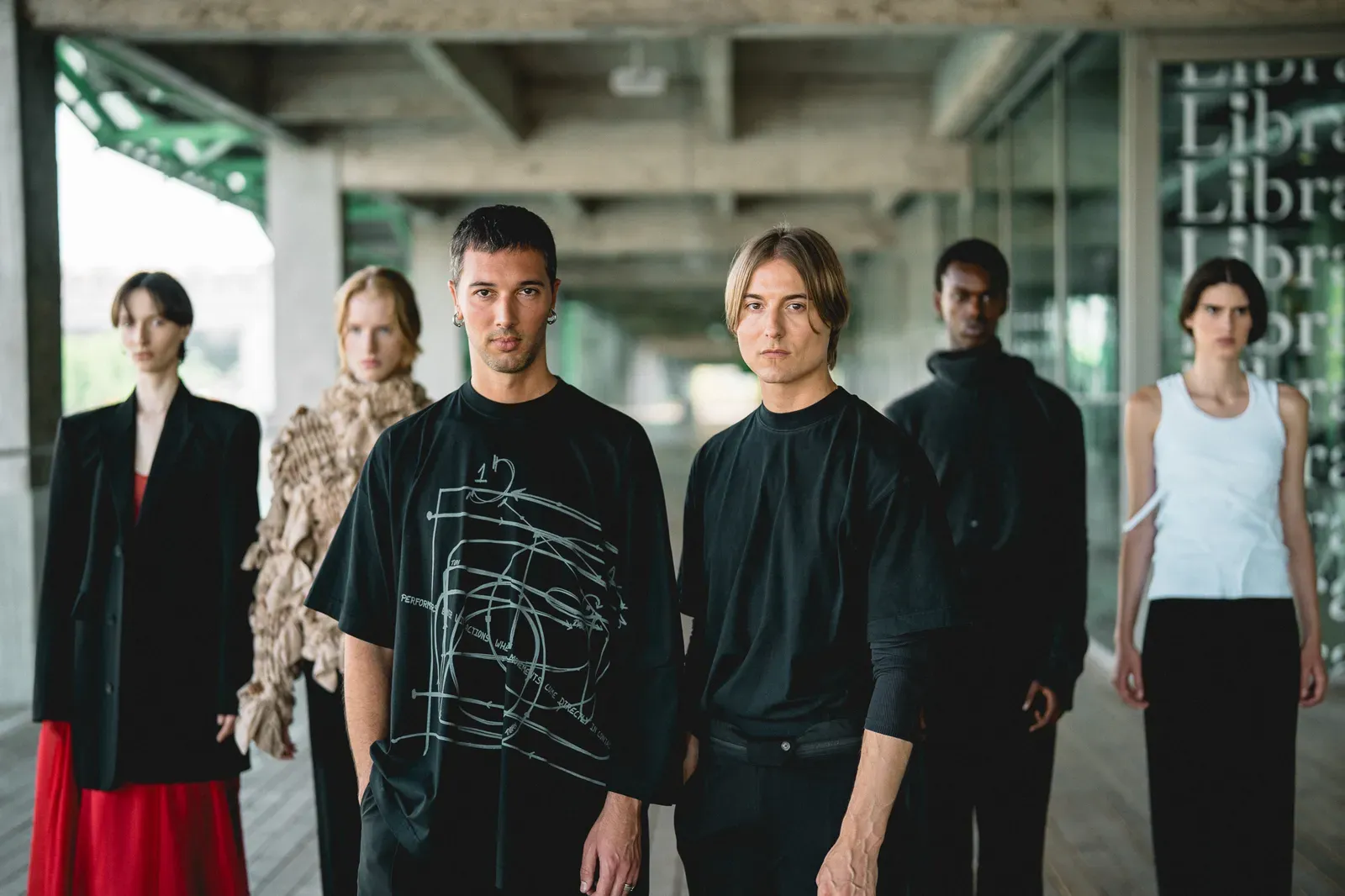
Paris Fashion Week with ALAINPAUL
On March 3rd, we attended Paris Fashion Week at the invitation of the brand ALAINPAUL, one of the emerging labels that has been gaining recognition on the international fashion scene. More than mere spectators, we actively participated in this collection through a technical collaboration, supporting the construction of its tailoring pieces. Our know-how was applied to structures requiring precision — a critical factor in a collection where the designer’s creative vision challenges the limits of traditional construction. Indeed, designer Alain Paul stands out for his contemporary approach, combining tailoring with a strong inspiration from body movement. This aesthetic language stems from his background in contemporary dance, which influences dynamic silhouettes designed to follow the body’s natural motion. His brand has been particularly noted for the way it merges fashion, performance, and technical construction. Despite being a relatively recent brand, Alain Paul has been consolidating its presence in the industry, regularly presenting its collections at Paris Fashion Week and making its debut this year at Tokyo Fashion Week A/W 2026, attracting the interest of buyers, press, and industry professionals. In the collection presented this season, the designer explored new historical and artistic references. Drawing inspiration from the archives of the Musée des Arts Décoratifs in Paris which currently houses some of his pieces. Alain Paul reinterpreted elements of 18th-century silhouettes, introducing structured volumes and fluid draping that dialogue with the brand’s contemporary aesthetic. Among the standout pieces were volumes reimagined from traditional “pannier” structures, as well as corsets and technical garments adapted to modern materials that allow greater flexibility and movement. In recent interviews, the designer emphasizes that his approach to fashion remains deeply connected to the experience of dance. For Alain Paul, clothing should function as an extension of the body and movement — an idea that guides both the design of the garments and the way they are presented on the runway.
Read moreCo-financed Operation by COMPETE 2030: Training for Innovation and Productivity
As part of the "Training for Innovation and Productivity" operation, CRIALME is implementing a training plan co-financed by the COMPETE 2030 Programme, under Portugal 2030 and co-financed by the European Union. The operation aims to contribute to the company's innovation and competitiveness objectives by providing targeted training for managers and employees, while improving management capabilities, organisational processes, and overall productivity. Innovation is now one of the main drivers of sustainable business growth. In an increasingly competitive and rapidly changing environment, continuous investment in modernisation, productivity, and skills development is essential. Through this initiative, we reaffirm our commitment to promoting innovation as one of the strategic pillars of our organisation, fully aligned with the objectives of COMPETE 2030. We believe that innovation goes far beyond adopting new technologies or creating new products. True innovation begins with people. The knowledge, creativity, and adaptability of our employees are fundamental in transforming ideas into concrete solutions capable of generating value for our clients and partners. In this regard, we have been strongly investing in the continuous qualification of our teams, promoting technical training initiatives, the development of digital skills, the strengthening of leadership capabilities, and the improvement of soft skills. Lifelong learning is a central element of our organizational culture, enabling us to keep pace with market developments and respond agilely to new challenges. View the COMPETE 2030 supported operation fact sheet here. At the same time, we have been investing in the internal reorganization of our processes and structures, making the company more efficient, flexible, and results-oriented. The optimization of workflows, the promotion of collaborative work, and the creation of multidisciplinary teams contribute to a more innovative and dynamic environment, where knowledge is shared and valued. The improvement of management capabilities is also a key component of our innovation strategy. We focus on more strategic planning, data-driven decision-making, and management oriented toward operational efficiency. These factors allow us to ensure a more effective use of resources, enhance productivity, and strengthen business sustainability. Investment in innovation, people development, and management modernization translates into tangible benefits. We observe continuous improvements in the quality of our services, increased process efficiency, and a greater ability to adapt to market demands. These results directly contribute to strengthening our competitiveness and creating long-term value. Within the scope of projects supported by COMPETE 2030, we have been implementing various initiatives aimed at enhancing internal knowledge, promoting organizational innovation, and strengthening our production capacity. These investments reflect our commitment to sustainable, responsible growth aligned with public policies supporting innovation. The future is built with vision, commitment, and continuous investment. We will continue to invest in the development of our people, the ongoing improvement of our processes, and the strengthening of management skills, confident that this is the path toward a more solid, innovative company prepared to face tomorrow’s challenges. Through this integrated strategy, we reaffirm our mission to actively contribute to economic, social, and technological development, fostering a culture of innovation that places people at the center of progress and competitiveness.
Read moreSpring/Summer 2026 Trends: Key Colors and Fabrics
Several shades have stood out in the Spring/Summer 2026 collections, but it was the softer tones that inspired us the most, as they reflect the elegance of a more colorful wardrobe. White, blue, and pink stand out for their lightness, while beige and brown add depth and balance, creating an aesthetic that is both relaxed and sophisticated. Captions Fabric 1 – 100% LI – Blue Fabric 2 – 100% LI – White Fabric 3 – 100% LI – Beige Fabric 4 – 100% CO – White Fabric 5 – 100% WV (Taffeta) – Dusty Pink Fabric 6 – 100% WV (Nat. Stretch) – Beige Fabric 7 – 100% WV – Brown Fabric 8 – 65% PL + 35% CO (Gabardine) – Beige We remind you that these are only suggestions of materials in stock from brands such as Vitale Barberis Canonico, Fratelli Tallia di Delfino, Holland & Sherry, Cerruti, Dormeuil, Ermenegildo Zegna, Loro Piana. However, fabric selection is not only about aesthetics. Factors such as temperature, humidity, and sun exposure must be considered when choosing fabric compositions to ensure airflow and thermal regulation. For the Spring/Summer season, natural, breathable, and lightweight fibers take center stage. Linen Linen stands out beyond its light and organic aesthetic. It is nature’s answer to hot days. Its irregular texture and rustic feel give it a relaxed yet sophisticated look, intrinsic to the season. More than just style, its natural properties reflect heat and ensure unmatched breathability, making it the preferred choice for those seeking comfort and elegance. Cotton The best cottons for this season are generally those with longer fibers, resulting in finer yarns. Therefore, it is ideal to opt for lightweight cottons that balance thermal comfort with a certain fabric structure, serving as an alternative to other fibers. Wool Wool is also an excellent option for spring/summer, especially in its lighter versions, such as cool wool. This type of fabric is made from very fine fibers, typically classified between Super 110s and 150s. The higher the number, the finer, lighter, and more delicate the yarn. One of wool’s main advantages is its thermal regulation capacity, allowing the body to stay cool in warm environments while absorbing moisture. In the end, the most important factor when choosing fabrics is the balance between yarn, weaving, weight, and structure, enabling the combination of breathability, aesthetics, and functionality to ensure style, freshness, and comfort even on the hottest days.
Read moreWhy Choose Fabrics 100% Wool?
Natural fibers, such as wool, continue to play an essential role in premium fashion thanks to their performance, comfort, and durability. When used in their pure form, they offer clear advantages over synthetic blends, for both brands and end consumers, contributing to more sustainable, high-quality production. Natural and renewable: Wool is a fully natural fiber that regenerates through fleece growth. It is also biodegradable at the end of its lifecycle and, under proper conditions, does not release microplastics. For this reason, it stands out as a responsible and sustainable choice for contemporary fashion. Thermal regulation: Wool naturally adapts to body temperature, providing insulation in cold environments while remaining breathable in milder climates. This makes it ideal for year-round use. Moisture management: Wool fibers can absorb moisture vapor internally without feeling damp to the touch. This contributes to greater comfort and reduces the sticky sensation often associated with synthetic fabrics. Durability and shape retention: Thanks to its natural elasticity, wool easily recovers its shape. Garments maintain their structure, drape, and appearance over time, ensuring longevity and quality. Odor resistance and hygiene: Wool limits bacterial growth and retains fewer odors, reducing the need for frequent washing and extending the lifespan of garments. Unlike materials such as polyester or acrylic, wool is breathable, thermoregulating, and biodegradable. Synthetic fibers tend to trap heat and moisture, can accumulate odors, and may release microplastics. Wool, on the other hand, allows the skin to breathe, manages moisture naturally, and offers a superior level of comfort. From a product perspective, 100% wool garments retain their shape better, age more gracefully, and convey a higher perceived value. Our expertise lies in transforming these raw materials into high-quality garments through precise cutting, specialized tailoring, and refined finishing. Each piece is developed with a focus on: Material integrity Precision in cutting and construction Everyday comfort Long-term durability The result is a collection of wool garments designed to last, combining premium fabrics with a demanding and sophisticated production process.
Read moreSustainability and the Made-to-Measure Model
The fashion industry is undergoing a period of profound soul-searching. Given the global environmental impact of mass production, the demand for viable, eco-friendly alternatives has never been more pressing. This is where the "Sustainability vs. Made-to-Measure" conversation gains momentum, as they serve as complementary pillars of a single solution.
Read moreSpring/Summer 2026 Trends: Key Colors and Fabrics
Several shades have stood out in the Spring/Summer 2026 collections, but it was the softer tones that inspired us the most, as they reflect the elegance of a more colorful wardrobe. White, blue, and pink stand out for their lightness, while beige and brown add depth and balance, creating an aesthetic that is both relaxed and sophisticated. Captions Fabric 1 – 100% LI – Blue Fabric 2 – 100% LI – White Fabric 3 – 100% LI – Beige Fabric 4 – 100% CO – White Fabric 5 – 100% WV (Taffeta) – Dusty Pink Fabric 6 – 100% WV (Nat. Stretch) – Beige Fabric 7 – 100% WV – Brown Fabric 8 – 65% PL + 35% CO (Gabardine) – Beige We remind you that these are only suggestions of materials in stock from brands such as Vitale Barberis Canonico, Fratelli Tallia di Delfino, Holland & Sherry, Cerruti, Dormeuil, Ermenegildo Zegna, Loro Piana. However, fabric selection is not only about aesthetics. Factors such as temperature, humidity, and sun exposure must be considered when choosing fabric compositions to ensure airflow and thermal regulation. For the Spring/Summer season, natural, breathable, and lightweight fibers take center stage. Linen Linen stands out beyond its light and organic aesthetic. It is nature’s answer to hot days. Its irregular texture and rustic feel give it a relaxed yet sophisticated look, intrinsic to the season. More than just style, its natural properties reflect heat and ensure unmatched breathability, making it the preferred choice for those seeking comfort and elegance. Cotton The best cottons for this season are generally those with longer fibers, resulting in finer yarns. Therefore, it is ideal to opt for lightweight cottons that balance thermal comfort with a certain fabric structure, serving as an alternative to other fibers. Wool Wool is also an excellent option for spring/summer, especially in its lighter versions, such as cool wool. This type of fabric is made from very fine fibers, typically classified between Super 110s and 150s. The higher the number, the finer, lighter, and more delicate the yarn. One of wool’s main advantages is its thermal regulation capacity, allowing the body to stay cool in warm environments while absorbing moisture. In the end, the most important factor when choosing fabrics is the balance between yarn, weaving, weight, and structure, enabling the combination of breathability, aesthetics, and functionality to ensure style, freshness, and comfort even on the hottest days.
Read moreParis Fashion Week with ALAINPAUL
On March 3rd, we attended Paris Fashion Week at the invitation of the brand ALAINPAUL, one of the emerging labels that has been gaining recognition on the international fashion scene. More than mere spectators, we actively participated in this collection through a technical collaboration, supporting the construction of its tailoring pieces. Our know-how was applied to structures requiring precision — a critical factor in a collection where the designer’s creative vision challenges the limits of traditional construction. Indeed, designer Alain Paul stands out for his contemporary approach, combining tailoring with a strong inspiration from body movement. This aesthetic language stems from his background in contemporary dance, which influences dynamic silhouettes designed to follow the body’s natural motion. His brand has been particularly noted for the way it merges fashion, performance, and technical construction. Despite being a relatively recent brand, Alain Paul has been consolidating its presence in the industry, regularly presenting its collections at Paris Fashion Week and making its debut this year at Tokyo Fashion Week A/W 2026, attracting the interest of buyers, press, and industry professionals. In the collection presented this season, the designer explored new historical and artistic references. Drawing inspiration from the archives of the Musée des Arts Décoratifs in Paris which currently houses some of his pieces. Alain Paul reinterpreted elements of 18th-century silhouettes, introducing structured volumes and fluid draping that dialogue with the brand’s contemporary aesthetic. Among the standout pieces were volumes reimagined from traditional “pannier” structures, as well as corsets and technical garments adapted to modern materials that allow greater flexibility and movement. In recent interviews, the designer emphasizes that his approach to fashion remains deeply connected to the experience of dance. For Alain Paul, clothing should function as an extension of the body and movement — an idea that guides both the design of the garments and the way they are presented on the runway.
Read moreWhy Choose Fabrics 100% Wool?
Natural fibers, such as wool, continue to play an essential role in premium fashion thanks to their performance, comfort, and durability. When used in their pure form, they offer clear advantages over synthetic blends, for both brands and end consumers, contributing to more sustainable, high-quality production. Natural and renewable: Wool is a fully natural fiber that regenerates through fleece growth. It is also biodegradable at the end of its lifecycle and, under proper conditions, does not release microplastics. For this reason, it stands out as a responsible and sustainable choice for contemporary fashion. Thermal regulation: Wool naturally adapts to body temperature, providing insulation in cold environments while remaining breathable in milder climates. This makes it ideal for year-round use. Moisture management: Wool fibers can absorb moisture vapor internally without feeling damp to the touch. This contributes to greater comfort and reduces the sticky sensation often associated with synthetic fabrics. Durability and shape retention: Thanks to its natural elasticity, wool easily recovers its shape. Garments maintain their structure, drape, and appearance over time, ensuring longevity and quality. Odor resistance and hygiene: Wool limits bacterial growth and retains fewer odors, reducing the need for frequent washing and extending the lifespan of garments. Unlike materials such as polyester or acrylic, wool is breathable, thermoregulating, and biodegradable. Synthetic fibers tend to trap heat and moisture, can accumulate odors, and may release microplastics. Wool, on the other hand, allows the skin to breathe, manages moisture naturally, and offers a superior level of comfort. From a product perspective, 100% wool garments retain their shape better, age more gracefully, and convey a higher perceived value. Our expertise lies in transforming these raw materials into high-quality garments through precise cutting, specialized tailoring, and refined finishing. Each piece is developed with a focus on: Material integrity Precision in cutting and construction Everyday comfort Long-term durability The result is a collection of wool garments designed to last, combining premium fabrics with a demanding and sophisticated production process.
Read moreCo-financed Operation by COMPETE 2030: Training for Innovation and Productivity
As part of the "Training for Innovation and Productivity" operation, CRIALME is implementing a training plan co-financed by the COMPETE 2030 Programme, under Portugal 2030 and co-financed by the European Union. The operation aims to contribute to the company's innovation and competitiveness objectives by providing targeted training for managers and employees, while improving management capabilities, organisational processes, and overall productivity. Innovation is now one of the main drivers of sustainable business growth. In an increasingly competitive and rapidly changing environment, continuous investment in modernisation, productivity, and skills development is essential. Through this initiative, we reaffirm our commitment to promoting innovation as one of the strategic pillars of our organisation, fully aligned with the objectives of COMPETE 2030. We believe that innovation goes far beyond adopting new technologies or creating new products. True innovation begins with people. The knowledge, creativity, and adaptability of our employees are fundamental in transforming ideas into concrete solutions capable of generating value for our clients and partners. In this regard, we have been strongly investing in the continuous qualification of our teams, promoting technical training initiatives, the development of digital skills, the strengthening of leadership capabilities, and the improvement of soft skills. Lifelong learning is a central element of our organizational culture, enabling us to keep pace with market developments and respond agilely to new challenges. View the COMPETE 2030 supported operation fact sheet here. At the same time, we have been investing in the internal reorganization of our processes and structures, making the company more efficient, flexible, and results-oriented. The optimization of workflows, the promotion of collaborative work, and the creation of multidisciplinary teams contribute to a more innovative and dynamic environment, where knowledge is shared and valued. The improvement of management capabilities is also a key component of our innovation strategy. We focus on more strategic planning, data-driven decision-making, and management oriented toward operational efficiency. These factors allow us to ensure a more effective use of resources, enhance productivity, and strengthen business sustainability. Investment in innovation, people development, and management modernization translates into tangible benefits. We observe continuous improvements in the quality of our services, increased process efficiency, and a greater ability to adapt to market demands. These results directly contribute to strengthening our competitiveness and creating long-term value. Within the scope of projects supported by COMPETE 2030, we have been implementing various initiatives aimed at enhancing internal knowledge, promoting organizational innovation, and strengthening our production capacity. These investments reflect our commitment to sustainable, responsible growth aligned with public policies supporting innovation. The future is built with vision, commitment, and continuous investment. We will continue to invest in the development of our people, the ongoing improvement of our processes, and the strengthening of management skills, confident that this is the path toward a more solid, innovative company prepared to face tomorrow’s challenges. Through this integrated strategy, we reaffirm our mission to actively contribute to economic, social, and technological development, fostering a culture of innovation that places people at the center of progress and competitiveness.
Read more